SCHEDULE AN EVALUATION
 Call Us Now
 Email Us Now


Losing Your Job Mid-Plan Does Not Have to Mean Losing Your Case
Key Takeaways: A layoff during a Chapter 13 repayment plan does not automatically end your case, because 11 U.S.C. § 1329 allows a debtor, the trustee, or the holder of an allowed unsecured claim to request modification of a confirmed plan after a substantial change in circumstances. Modification may lower the monthly payment, extend the plan within the five-year statutory limit, temporarily suspend payments, or reclassify collateral, but if a party objects the court will generally re-test the plan against the disposable income standard of § 1325(b), and feasibility under § 1325(a)(6) must be satisfied in every case. The process generally begins with a written motion, usually supported by amended Schedules I and J and documentation of the job loss, followed by notice to creditors and the trustee and an opportunity to object. Acting quickly matters, since missed payments can lead to trustee dismissal motions or stay relief for a mortgage lender, and dismissal can revive collection, garnishment, and foreclosure. When no feasible modified plan exists, a hardship discharge under § 1328(b) or conversion to Chapter 7 may be alternatives, though each carries trade-offs. Outcomes depend on the facts, so Rock Hill and York County filers should seek counsel before missing a payment.
A layoff mid-plan feels like the floor dropping out, but bankruptcy law anticipates this problem. Under 11 U.S.C. § 1329, a debtor, trustee, or holder of an allowed unsecured claim may ask the court to modify a confirmed plan at any time before payments are completed, and a substantial, involuntary drop in income is one of the most common reasons York County debtors file such a request. A modification may allow the court to lower the monthly payment, stretch the repayment period within statutory limits, or adjust how certain creditor classes are treated. The relief is not automatic, and the court evaluates each request on its own facts.
If your income has dropped and your next plan payment is looming, the team at The Howze Law Firm LLC can review your options. Call 803-266-1812 or reach out to our office today to discuss what a modification might look like in your case.
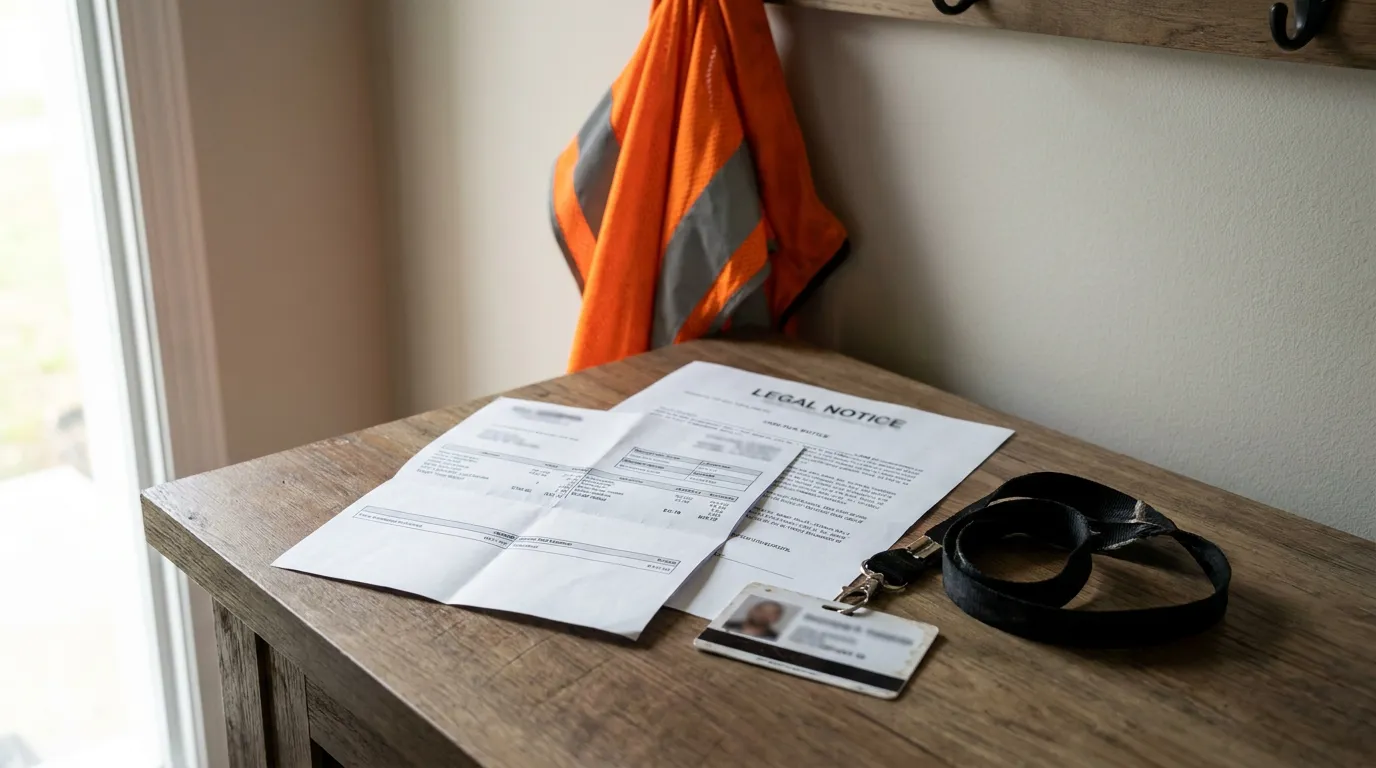
Why Acting Quickly Matters After Income Loss
Chapter 13 plans are funded by regular payments, and missed payments can trigger consequences quickly. Trustees in the District of South Carolina generally monitor payment delinquency and may move to dismiss a case that falls materially behind, since material default is grounds for dismissal or conversion under 11 U.S.C. § 1307(c). Waiting months to address a layoff may narrow your options.
Secured debts, especially your mortgage, compound the timing problem. Falling behind on post-petition mortgage payments while in a plan can prompt the lender to seek relief from the automatic stay under 11 U.S.C. § 362(d) so it can resume foreclosure. Because the stay is often the single most valuable protection a homeowner has in bankruptcy, preserving it may be a priority in any modification strategy.
Dismissal can carry its own cascade of problems. If a case is dismissed, the automatic stay generally dissolves and creditors may resume collection, garnishment, and foreclosure activity, typically with accrued interest and fees. Readers wanting more detail can review what happens when a Chapter 13 plan is dismissed before deciding how long to wait.
💡 Pro Tip: Document the layoff immediately. A separation letter, final pay stub, and unemployment benefit determination create the evidentiary record a trustee and judge will generally expect to see.
The Legal Standard Behind a Chapter 13 Plan Modification After Job Loss
Modification requests are often measured against the same disposable income standard that governed confirmation. Under 11 U.S.C. § 1325(b), if the trustee or an unsecured creditor objects, a plan must commit all projected disposable income to unsecured creditors during the applicable commitment period, three years for below-median-income debtors, five years for above-median debtors, unless unsecured claims are paid in full. This is commonly called the best effort requirement in Chapter 13, and many courts apply it to post-confirmation modifications too, though § 1329(b) incorporates § 1325(a) expressly and courts differ on § 1325(b)’s precise role here.
Disposable income is generally calculated by subtracting reasonably necessary living expenses from income, using a statutorily defined "current monthly income" figure that courts may adjust to reflect known or virtually certain changes. When a layoff genuinely reduces that figure, the arithmetic supporting the original payment may no longer hold, one reason many courts recognize a substantial income decrease as a changed circumstance justifying a lower payment. The court isn’t approving an arbitrary reduction; it’s reassessing what your household can now actually contribute.
Feasibility remains the other half of the analysis. A modified plan must still be realistically performable under § 1325(a)(6), and must satisfy the other confirmation requirements of § 1325(a) that § 1329(b) makes applicable. Plans depending on speculative future income or failing to pay priority claims in full under § 1322(a)(2) may be vulnerable to objection.
What Courts May Consider
- The size, cause, and expected duration of the income loss
- Whether the reduction is temporary or appears permanent
- Severance, unemployment compensation, or new household income
- Whether secured creditors and priority claims can still be paid
- Whether the debtor acted in good faith and disclosed the change promptly
Procedural Steps for a Post-Confirmation Plan Modification in SC
A modification generally begins with a written motion or modified plan filed in the bankruptcy case, not a phone call to the trustee. The District of South Carolina publishes local forms and procedural guidance on its bankruptcy court FAQ page. Rock Hill and York County cases fall within this district, so the same local rules apply.
Amended schedules typically accompany the motion. Since the court and trustee are re-examining income and expenses, updated Schedules I and J showing current figures are generally expected. Incomplete or stale disclosures are a frequent reason modification requests stall.
Creditors and the trustee then generally receive notice and an opportunity to object, per Federal Rule of Bankruptcy Procedure 3015. If no timely objection is filed, some modifications may be approved without a contested hearing, though the court retains discretion. If an objection is filed, the matter is usually set for hearing where the debtor may need to testify about the layoff and new budget.
Common Modification Requests
| Requested Change | Typical Purpose | Key Limitation |
|---|---|---|
| Lower monthly payment | Match reduced household income | Must still satisfy disposable income and feasibility |
| Extend plan length | Spread arrears over more months | Generally cannot exceed five years from first payment |
| Suspend payments temporarily | Bridge a short gap before re-employment | Usually requires a credible return-to-work timeline |
| Reclassify or surrender collateral | Shed an unaffordable vehicle payment | May create an unsecured deficiency claim |
Protecting the Home During the Transition
Mortgage treatment deserves separate attention in any modification. Chapter 13 may allow a homeowner to cure missed mortgage payments over a reasonable time within the plan under 11 U.S.C. § 1322(b)(5), a central reason homeowners choose this chapter. Preserving that structure while lowering the overall payment often requires reallocating funds away from unsecured creditors rather than the mortgage cure.
Equity protection also matters if restructuring becomes necessary. South Carolina has opted out of the federal exemption scheme, so filers meeting the domicile test generally must use South Carolina’s own exemptions, including the homestead exemption under S.C. Code Ann. § 15-41-30. Dollar amounts adjust periodically, so current figures should be verified before relying on any published number.
💡 Pro Tip: If you receive severance, do not spend it before speaking with counsel. Severance is generally treated as income for plan purposes, and how it’s disclosed can affect a modification’s outcome.
When Modification Is Not Enough
Some layoffs are severe enough that no feasible modified plan exists. In those limited circumstances, 11 U.S.C. § 1328(b) may permit a hardship discharge when the failure to complete payments stems from circumstances for which the debtor should not justly be held accountable, unsecured creditors have already received at least what they would have in a Chapter 7 liquidation, and modification isn’t practicable. Courts apply these conditions strictly, and a hardship discharge is narrower than a completed-plan discharge because debts excepted under § 523(a) remain collectible.
Conversion to Chapter 7 is another possibility worth evaluating. A debtor without regular income sufficient to fund any plan generally has a right under 11 U.S.C. § 1307(a) to convert a case not previously converted, though the resulting Chapter 7 case has its own requirements, and conversion generally means giving up the ability to cure mortgage arrears over time. Whether conversion, modification, or hardship discharge fits best depends heavily on your assets, secured debts, and how realistic re-employment appears.
These are fact-intensive determinations. A Rock Hill bankruptcy attorney Chapter 13 team can compare the paths side by side, but no outcome can be promised in advance since the trustee, creditors, and court each play a role.
Practical Steps to Take This Week
Move deliberately in the first thirty days after a layoff, because early decisions may shape later options. Notify your attorney before you miss a payment rather than after, since a proactive filing generally presents better than one filed in response to a dismissal motion. Keep the trustee’s payment records and your own records aligned.
- Gather termination documentation, final pay records, and unemployment filings
- Rebuild a realistic monthly budget reflecting actual current expenses
- Confirm whether your employer’s wage-order payments must now stop or change
- Avoid taking on new credit or dissipating retirement accounts before getting advice
Frequently Asked Questions
1. How much can a modification reduce my Chapter 13 payment?
There’s no fixed percentage. The reduction is generally driven by recalculated disposable income, and secured and priority claims must still generally be paid, which can limit how far the payment may fall.
2. Can I extend my plan beyond five years to lower the payment?
Generally no. Under 11 U.S.C. § 1329(c), a modified plan generally cannot exceed five years from the date the first payment was due under the original confirmed plan. Temporary pandemic-era legislation allowing longer terms has expired.
3. What happens to my mortgage while the modification is pending?
Ongoing post-petition mortgage obligations typically continue unless the court orders otherwise. If payments lapse, the servicer may seek stay relief, so addressing the mortgage directly in the motion is usually important.
4. Will the trustee automatically oppose a lower plan payment?
Not necessarily. Trustees generally evaluate whether the reduction reflects a genuine, documented change in disposable income, and well-supported requests are frequently resolved without a contested hearing.
5. Can I modify more than once during my case?
In many cases, yes. There’s generally no statutory cap on post-confirmation modifications, so long as each is sought before plan payments are completed and stays within the five-year limit, though repeated requests may draw closer scrutiny.
Moving Forward With Confidence After a Layoff
A job loss does not erase the progress you’ve made in your repayment plan. Section 1329 modification exists so that honest debtors whose circumstances change may adjust rather than collapse, and a well-documented request to reduce a Chapter 13 payment in SC is routine bankruptcy practice. The critical variables are generally speed, documentation, and a modified plan the court can find both feasible and consistent with the Code’s confirmation requirements. Outcomes always depend on the specific facts of your case.
If a layoff has put your plan at risk, do not wait for a motion to dismiss to arrive. Connect with The Howze Law Firm LLC by calling 803-266-1812 or schedule a consultation now to review your modification options.
Disclaimer: This content is for informational purposes only and is not legal advice. Every case is unique, and results may vary. Consult an attorney about your specific circumstances.