SCHEDULE AN EVALUATION
 Call Us Now
 Email Us Now

Understanding Debt Ceilings for Rock Hill Wage Earners
Key Takeaways: Yes, Chapter 13 has a separate secured debt limit that applies to cases filed today. Chapter 13 eligibility is set by federal law under 11 U.S.C. § 109(e), not South Carolina state law, so Rock Hill filers face the same national thresholds as everyone else. The law has long imposed two distinct caps, one for unsecured debt and a higher one for secured debt. A temporary law replaced this two-tier approach with a single combined ceiling from June 2022 until June 21, 2024, after which the statute reverted to two separate limits, adjusted for inflation effective April 1, 2025. For cases filed between April 1, 2025, and March 31, 2028, the limits are $526,700 in noncontingent, liquidated unsecured debt and $1,580,125 in secured debt. Only noncontingent, liquidated debts count toward eligibility, and meeting the limit alone does not guarantee access, regular income is also required.
A separate secured debt limit for Chapter 13 currently exists and applies to cases filed today, though the exact figures depend on your filing date. Chapter 13 debt limits are set by federal law, not South Carolina state law, which means filers in Rock Hill face the same national thresholds as every other debtor. Understanding the difference between the older two-tier structure, the temporary combined cap, and the current framework is essential.
If you are behind on your mortgage or facing repossession and want a clear answer about where you stand, The Howze Law Firm LLC is ready to help. Call us at 803-266-1812 or reach out through our online contact page to discuss your situation.
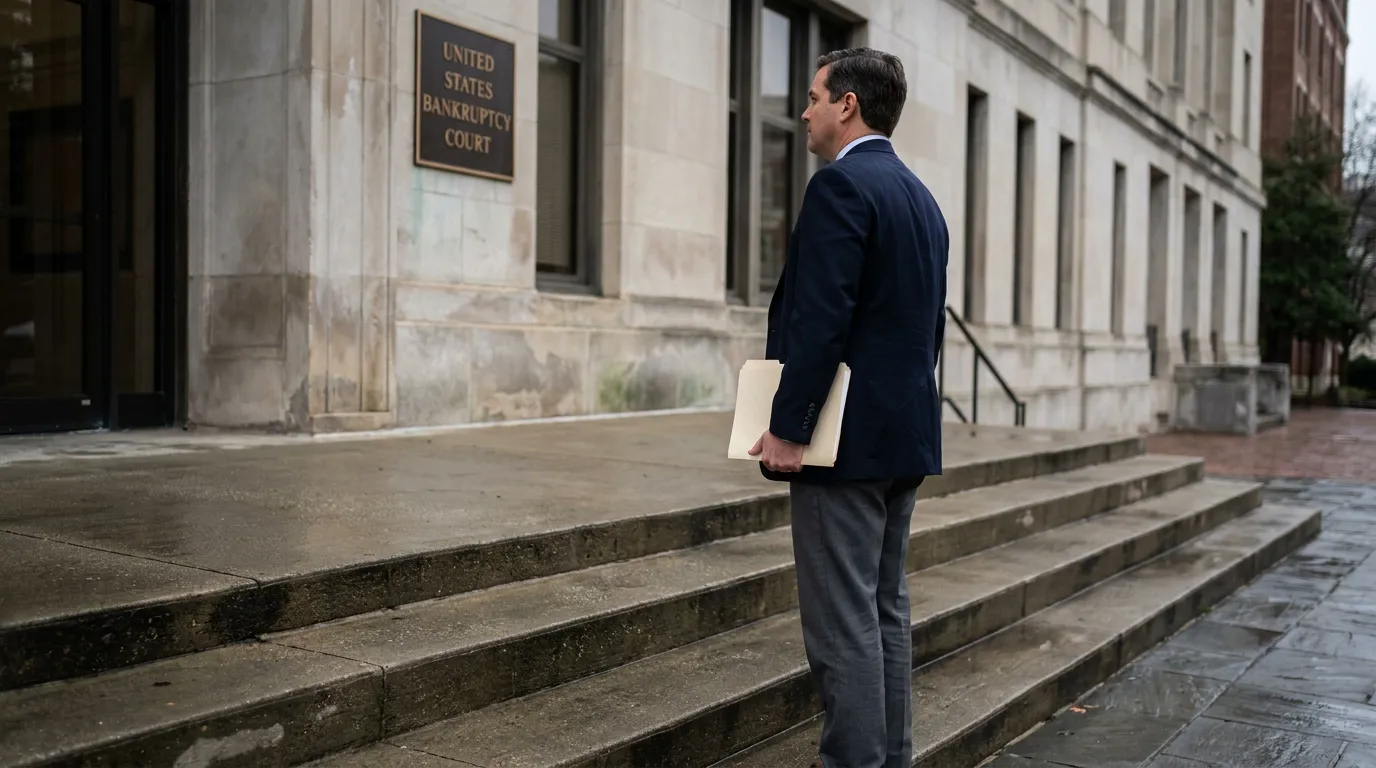
Why Federal Law, Not State Law, Sets the Rules
Chapter 13 eligibility is governed by federal statute, specifically 11 U.S.C. § 109(e), rather than any South Carolina provision. Section 109(e) specifies eligibility for chapter 13, Adjustment of Debts of an Individual with Regular Income. Because this is national law, the same secured and unsecured thresholds apply to filers in Rock Hill, York County, and everywhere else in the United States.
Many people assume South Carolina imposes its own debt ceiling, but that is not the case. The eligibility question is uniform across the country, and you can read the controlling text in the federal Chapter 13 statute maintained by the Office of the Law Revision Counsel.
💡 Pro Tip: If a source tells you South Carolina has a special secured debt cap, treat that as a red flag. Eligibility figures come from federal law and change on a set schedule, so always confirm the amount that applied on your filing date.
The Old Two-Tier Structure and Where "Separate Secured Debt Limit" Comes From
The concept of a separate secured debt limit traces directly to the original design of § 109(e), which has long imposed two distinct dollar caps. The original 1978 figures set the bar at unsecured debts under $100,000 and secured debts under $350,000. Over time, those numbers were adjusted upward.
Later versions kept the two-tier approach while raising the amounts. In the period immediately before the pandemic-era changes, individuals with noncontingent, liquidated, unsecured debts of less than $465,275 and secured debts of less than $1,395,875 could qualify. A separate secured debt limit has been a real feature of the law for decades and, after a brief interruption, remains one today.
| Version | Unsecured Debt Cap | Secured Debt Cap |
|---|---|---|
| Original 1978 figures | Under $100,000 | Under $350,000 |
| Pre-pandemic two-tier figures | Under $465,275 | Under $1,395,875 |
| Current figures (Apr. 1, 2025, Mar. 31, 2028) | Under $526,700 | Under $1,580,125 |
Chapter 13 Debt Limits 2026 and the Shift to a Combined Cap
A single combined ceiling briefly replaced the secured versus unsecured distinction, but that change was temporary. From June 2022 until June 21, 2024, a temporary law used a single combined cap of $2,750,000 for all noncontingent, liquidated debts. When it sunset, the statute returned to separate secured and unsecured ceilings. The current text allows only an individual with regular income who owes noncontingent, liquidated unsecured debts of less than $526,700 and secured debts of less than $1,580,125 to be a debtor under Chapter 13, for cases filed between April 1, 2025, and March 31, 2028.
The dollar figures are not permanently fixed. The dollar thresholds in § 109(e) are periodically adjusted by the Judicial Conference of the United States under 11 U.S.C. § 104 on a recurring three-year schedule. The filing date controls which limit applies.
💡 Pro Tip: If you are near a threshold, the timing of your petition can be as important as the debt figures themselves, so confirm the current amount before you file.
Because these numbers move, verify the operative figure through an authoritative government source. The U.S. Courts publishes updated amounts on its official Chapter 13 Bankruptcy Basics page, which practitioners rely on to confirm current thresholds.
What Counts Toward the Limit and What Does Not
Not every dollar you owe is counted when measuring eligibility. Only debts that are noncontingent and liquidated count toward the Chapter 13 eligibility thresholds. These amounts are measured as of the petition filing date. That means a debt whose amount is uncertain or dependent on a future event may not count the same as a fixed, presently owed obligation. A disputed debt can still count if the amount is liquidated, because the test is whether the amount can be readily determined, not whether it is contested.
Understanding the categories of claims clarifies why secured debt is analyzed separately. Federal bankruptcy law distinguishes secured claims, which are backed by collateral the creditor can repossess, from unsecured claims, which carry no special rights to particular property. For Rock Hill homeowners, this distinction shapes how a repayment plan treats a mortgage versus a credit card balance. Key points include:
- Contingent or unliquidated debts may be excluded from the eligibility calculation.
- Secured claims are tied to collateral such as a home or vehicle.
- Unsecured claims, like most medical bills and credit cards, generally have no attached property rights.
💡 Pro Tip: Gather every statement, judgment, and payoff figure before assuming you are over or under the limit. Misclassifying a contingent claim as a fixed debt is a frequent reason people wrongly count themselves out.
How Secured Debt Is Treated Inside the Plan
Even after eligibility is confirmed, secured debt receives distinct treatment within a Chapter 13 repayment plan. Secured creditors must generally be paid at least the value of their collateral, and mortgage arrearages can be cured over the life of the plan while regular payments continue on the original loan schedule. For a homeowner facing foreclosure, this feature is often the entire reason Chapter 13 is attractive.
Chapter 13 is designed as a wage earner’s plan, which is why steady income matters as much as the debt figures. Chapter 13 allows a debtor to keep property and pay debts over time, usually three to five years. Meeting the debt ceiling alone is not enough, eligibility also depends on being an individual with regular income. For a broader overview of how these repayment plans function, our guide to Chapter 13 Bankruptcy in Rock Hill South Carolina walks through the process in detail.
Our discussion of the unsecured debt limit for Rock Hill filers explains how that portion of the analysis fits together with the secured side.
Frequently Asked Questions
1. Does South Carolina have its own secured debt limit for Chapter 13?
No. Chapter 13 debt limits are set by federal statute under 11 U.S.C. § 109(e), so the same thresholds apply in Rock Hill and York County as everywhere else. There is no separate South Carolina cap.
2. Is there still a separate secured debt limit today?
Yes. Although a temporary law used a single combined cap from June 2022 until June 21, 2024, the statute has reverted to two separate ceilings. For cases filed from April 1, 2025, through March 31, 2028, the secured limit is $1,580,125 and the unsecured limit is $526,700. You must fall under both.
3. How do I find the exact chapter 13 debt limits 2026 figure?
Because the amounts adjust periodically, confirm the current figure on the U.S. Courts Bankruptcy Basics page or with a Rock Hill bankruptcy attorney. The amount that applied on your filing date controls.
4. What happens if my debts exceed the limit?
If your qualifying debts exceed the applicable ceiling, you may not be eligible for Chapter 13 and might need to consider other options, such as an individual Chapter 11 case. A careful review of what is noncontingent and liquidated can sometimes change the outcome.
5. Can I keep my home if I am behind on the mortgage?
In many cases, Chapter 13 allows homeowners to cure mortgage arrearages over the life of the plan while maintaining regular payments. Outcomes depend on your income, plan feasibility, and the specific facts of your case.
Putting the Secured Debt Question in Perspective
The bottom line is that a separate secured debt limit is both part of the statute’s history and part of the law today, following a temporary combined cap that expired in June 2024. For Rock Hill and York County residents, the governing rules are federal, the figures depend on your filing date, and only noncontingent, liquidated debts count toward the two separate thresholds. Confirming your eligibility with current figures is the responsible first step rather than relying on outdated numbers or assumptions.
If foreclosure, repossession, or wage garnishment is pressing and you need clarity on whether you qualify, the team at The Howze Law Firm LLC is here to guide you. Call us today at 803-266-1812 or request a consultation online to protect your assets and plan your next move.