SCHEDULE AN EVALUATION
 Call Us Now
 Email Us Now
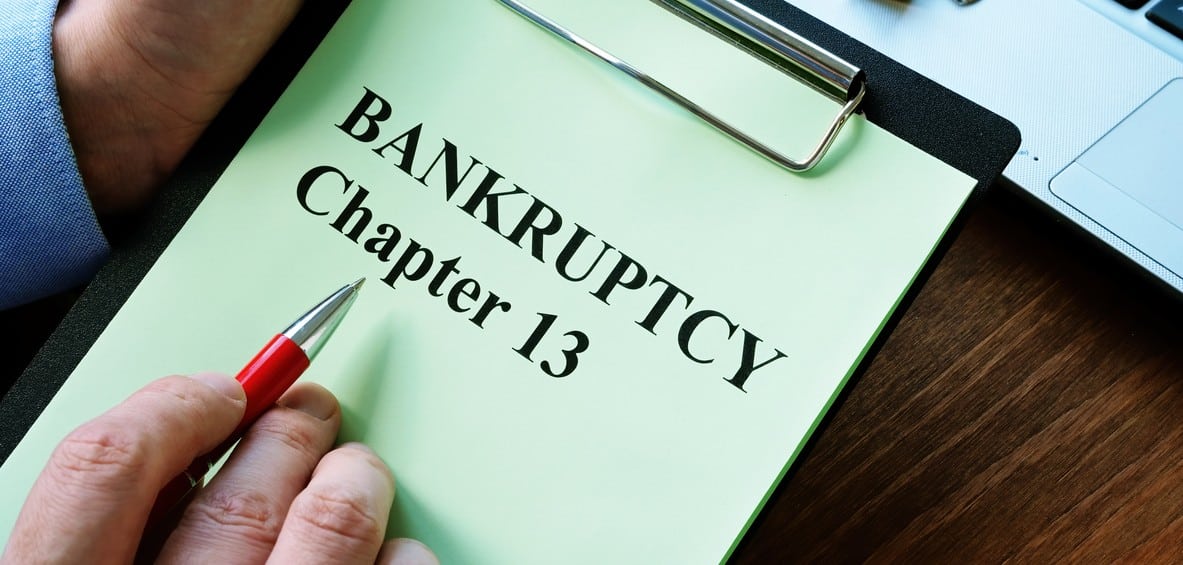
What is Chapter 13 Bankruptcy?
Chapter 13 bankruptcy, also called a wage earner’s plan, enables an individual who earns a regular income to develop a plan to repay all or part of their debts. This form of bankruptcy allows debtors to propose a repayment plan to make installments to creditors over three to five years. Chapter 13 is used to reorganize debt so that it is more manageable.
How Does Chapter 13 Bankruptcy Work?
For Chapter 13 bankruptcy, a debtor will compile a list of all creditors and the amount of money owed to each, along with any owned property, income information and sources, and detailed monthly expenses.
Next, a court-appointed bankruptcy trustee will assist the debtor in constructing a plan of repayment for the creditors over three to five years. Typically, the repayment plan requires substantial payback to creditors.
The debtor will pay a lump sum to the trustee monthly, which will effectively consolidate the debts into a single monthly payment. The trustee will disperse the money to the creditors.
After the repayment period, the court will discharge most of the remaining debt, though there are some exceptions.
Debt that will not be discharged with a Chapter 13 bankruptcy include:
- Claims for alimony and child support
- Educational and student loans
- Fees associated with driving under the influence
- Criminal fines and restitution obligations
- Certain long-term obligations extending beyond the term of the plan
- Debts not accounted for in the repayment plan
What Types of Debt is Discharged Under Chapter 13 Bankruptcy?
Chapter 13 separates debt into three categories:
- Priority debts such as tax obligations, alimony, and child support
- Secured debts are backed by collateral, such as a home or vehicle
- Unsecured debts are those that are not backed by collateral, such as credit cards.
Chapter 13 bankruptcy requires that priority and secured debt be paid in full unless otherwise agreed to by a creditor. Unsecured debt, however, is not required to be paid in full and often is not repaid in full.
Who is Eligible to Apply for Chapter 13 Bankruptcy?
While business entities are not eligible for Chapter 13 bankruptcy, Chapter 11 may offer similar benefits to a business. Chapter 13 is only available for individuals or married couples.
Even individuals who are self-employed or own an unincorporated business are eligible to file for Chapter 13 relief as long as their combined secured and unsecured debts total less than $2,750,000 as of the date of filing for bankruptcy.
To be eligible for this form of bankruptcy, the debtor must establish that:
- They did not have a prior bankruptcy application dismissal within the last 180 days.
- They have completed the required Credit Counseling.
- They have filed tax returns for the past four years.
- The proposed payment plan pays all of the required debts.
- The proposed payment plan repays specified amounts to unsecured creditors.
- Enough income remains after the deduction of allowable expenses to cover the mandatory payments to priority and unsecured creditors.
What Must be Submitted With a Chapter 13 Bankruptcy Petition?
The bankruptcy process will begin once a petition is filed with the bankruptcy court within the county where the debtor resides. Spouses may file together or as individuals.
Filing and administrative fees that must be submitted include:
- $235 filing fee
- $75 administrative fee
Payments towards these fees may be allowed; however, all payments must be submitted within 120 days of filing the petition.
For a complete application, the following documents should be included:
- All assets and liabilities
- Statement of monthly net income
- Current bills and expenses
- Current leases or contracts
- Financial statements
- Proof of attending required credit counseling
- Debt repayment plan
- Income documents, such as pay stubs, from the past 60 days
- Federal or state-qualified education and tuition account statements
- Tax returns from the past two years
For couples who file together, both spouses should gather all of the listed documents and anything that is not shared. For individuals who file separately, both spouses should still submit all information to accurately represent the household income and expenses.
What is Included in a Repayment Plan?
A repayment plan should propose a 36-60 month timeline to repay debt and is determined as follows:
- 36 months for debtors with gross income below the state’s median income
- 60 months for debtors with gross income above the state’s median income
A repayment plan will determine the amount of disposable income the debtor has available. Disposable income refers to income earned from all sources after the deduction of necessary expenses, such as rent, utilities, and food. It will determine how much will be paid to creditors each month.
A bankruptcy trustee will assist in creating the repayment plan and will ensure that it is fair to the debtor and the creditors. The trustee is responsible for:
- Reviewing the case paperwork
- Representing the case to the judge
- Accepting debt payments from the debtor
- Using the debt payments to pay creditors as indicated in the plan
- Answer questions from the debtor and set timelines
A trustee is not an attorney and is not necessarily on the side of the debtor. For best results, contact an attorney at The Howze Law Firm, LLC.
A confirmation hearing will be conducted after the trustee approves the plan.
A successful repayment plan will offer several benefits, including:
- Improved credit following a 36 -60 month record of on-time payments
- Reduced debt-to-income ratio
- Reduced overall debt
- Elimination of a percentage of unsecured debt
- Elimination of collections calls, threats, and letters
Do You Need an Attorney?
If you are considering filing for Chapter 13 bankruptcy, you need information you can depend on to make the best decisions for you and your family. Call The Howze Law Firm, LLC, at 803-266-1812 or fill out a contact form to schedule a free consultation.