SCHEDULE AN EVALUATION
 Call Us Now
 Email Us Now








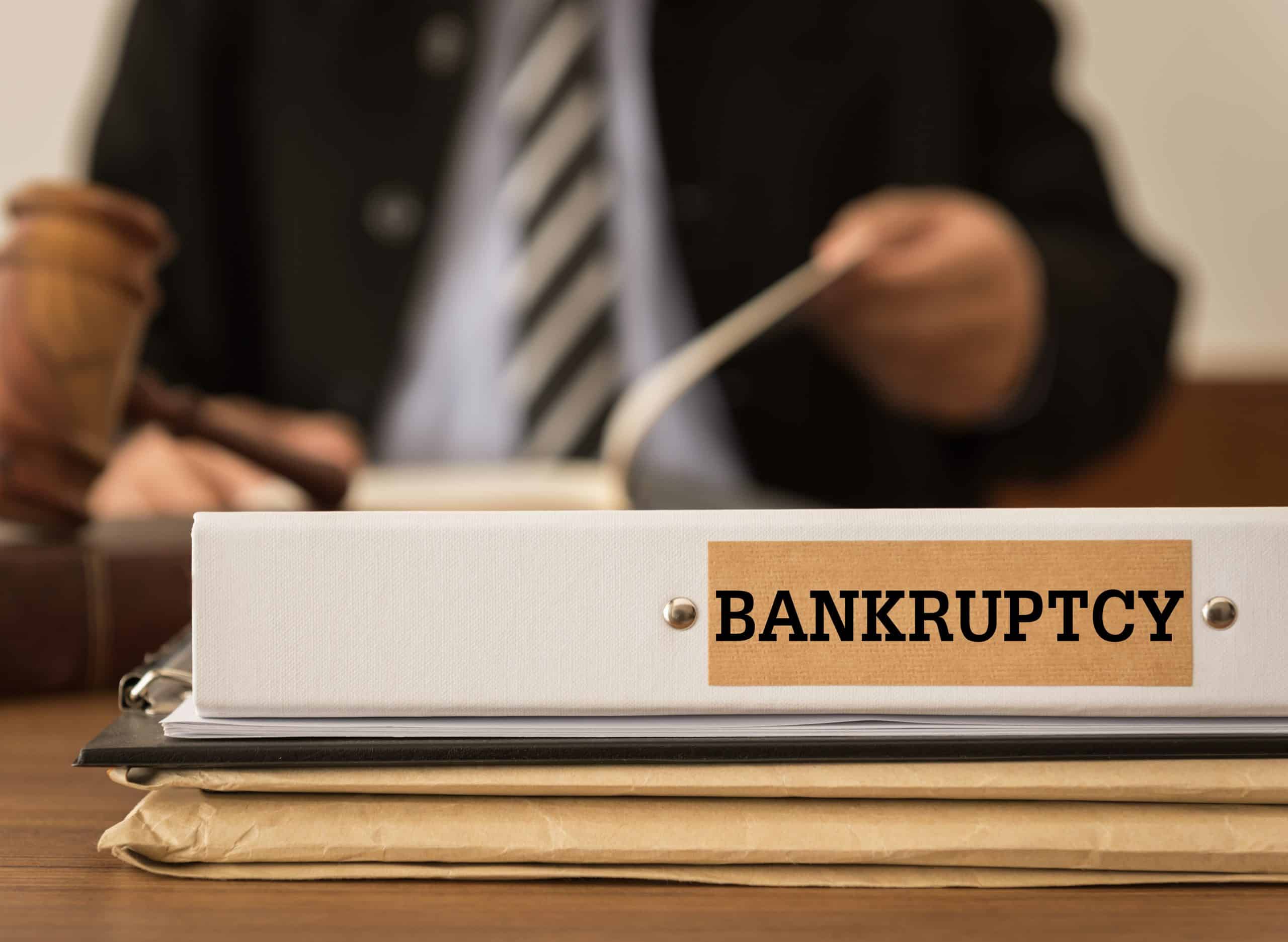
What Does Filing for Bankruptcy in South Carolina Mean?
Filing for bankruptcy is a legal process that allows individuals or businesses in South Carolina who cannot afford to pay their debts to find relief from part or all of their debts. In other words, it’s a way for you to get a fresh financial start. However, it’s important to understand that bankruptcy isn’t a quick fix. It’s a serious decision that can have long-term financial impacts.
What Are the Different Types of Bankruptcy?
In South Carolina, individuals can file for two primary types of bankruptcy: Chapter 7 and Chapter 13. Chapter 7 bankruptcy, often referred to as “liquidation bankruptcy,” involves selling off your non-exempt assets to pay off as much of your debt as possible. On the other hand, Chapter 13 bankruptcy, also known as “reorganization bankruptcy,” entails developing a repayment strategy to settle your debts within a timeframe of three to five years.
What Are the Long-Term Financial Impacts of Filing for Bankruptcy?
The long-term financial impacts of filing for bankruptcy can be significant and far-reaching. As mentioned earlier, one of the most immediate and long-lasting effects is the impact on your credit. A bankruptcy filing remains on your credit report for seven to ten years, making it more challenging to secure credit in the future. This can affect your ability to get a loan, a mortgage, or even a credit card.
How Does Bankruptcy Affect My Credit?
One of the most immediate impacts of filing for bankruptcy is the effect on your credit. A bankruptcy will be listed on your credit report for a period of seven to ten years, based on the type of bankruptcy filed. This can make it more difficult for you to obtain credit, such as a loan or a credit card, in the future. Even if you manage to obtain credit, lenders might charge you higher interest rates because of the perceived risk.
Will Bankruptcy Affect My Employment or Future Employment Opportunities?
Although federal law forbids employers from discriminating against employees who have declared bankruptcy, during the hiring process, potential employers might review your credit history. This is particularly true for jobs in the financial sector or positions that require handling money, so a bankruptcy filing could potentially impact your future employment opportunities.
Can Bankruptcy Impact My Ability to Rent or Buy a Home?
Yes, bankruptcy can negatively impact your ability to rent or buy a home. Landlords often check credit history as part of the rental application process, and a bankruptcy filing could be viewed negatively. Similarly, mortgage lenders consider your credit history when deciding whether to approve your loan application. A bankruptcy on your credit report could make it more difficult to secure a mortgage or could result in higher interest rates.
What Are the Emotional and Personal Impacts of Filing for Bankruptcy?
The emotional impact of filing for bankruptcy should not be underestimated. Many people report feelings of shame, guilt, or failure associated with bankruptcy. However, it’s important to remember that financial difficulties can happen to anyone and that filing for bankruptcy is a legal right designed to help you get back on your feet.
Can Bankruptcy Affect My Retirement Savings?
The effect of bankruptcy on your retirement savings is largely influenced by the type of retirement account you possess. Federal law generally protects most retirement accounts, including 401(k)s and traditional IRAs, during bankruptcy. This means that these assets typically cannot be used to repay creditors.
Can I Get Student Loans After Filing for Bankruptcy?
Obtaining student loans after filing for bankruptcy can be challenging, but it’s not impossible. Federal student loans do not depend on credit history, so filing for bankruptcy will not automatically disqualify you. However, if you have a bankruptcy discharge on your credit report, you may be required to demonstrate that you have made a good faith effort to repay your debts before you can receive federal student aid.
What Are Some Alternatives to Bankruptcy?
Before deciding to file for bankruptcy, it’s important to consider all your options. One alternative is debt consolidation, where you combine all your debts into one loan with a lower interest rate. This can help make your monthly payments easier to manage.
What Are the Tax Implications of Filing for Bankruptcy?
Another long-term financial impact of filing for bankruptcy is the potential tax implications. In some cases, debts that are discharged through bankruptcy may be considered taxable income by the Internal Revenue Service (IRS). This might mean that you are responsible for paying taxes on the forgiven debt amount.
How Can an Experienced Attorney Help Me Navigate the Bankruptcy Process?
An experienced attorney can help you understand the different types of bankruptcy, guide you through the filing process, and advocate for your rights. Additionally, they can provide advice on how to rebuild your credit and financial stability after bankruptcy.
Legal Assistance for the Long-Term Financial Impacts of Bankruptcy
An experienced attorney can help you understand the potential long-term financial impacts, including the effects on your credit, insurance premiums, and asset retention. They can also help you explore alternatives to bankruptcy and guide you through the process if you decide to file.
Legal Assistance to Weigh the Benefits and Drawbacks of Bankruptcy
An experienced attorney can provide crucial guidance when considering the benefits and drawbacks of bankruptcy. They can help you understand the potential long-term financial impacts, including the effects on your credit, tax implications, and impact on your retirement savings and ability to obtain student loans.
An attorney can offer information on the benefits of bankruptcy, such as the automatic stay and discharge of debts. They can also provide advice on rebuilding your credit and financial stability after bankruptcy.
If you’re considering filing for bankruptcy in South Carolina, call The Howze Law Firm LLC today at 803-266-1812 for a free discovery call.